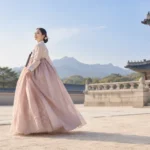
Exploring the Origins of Traditional Korean Hanbok Silhouettes
Matthew Sullivan
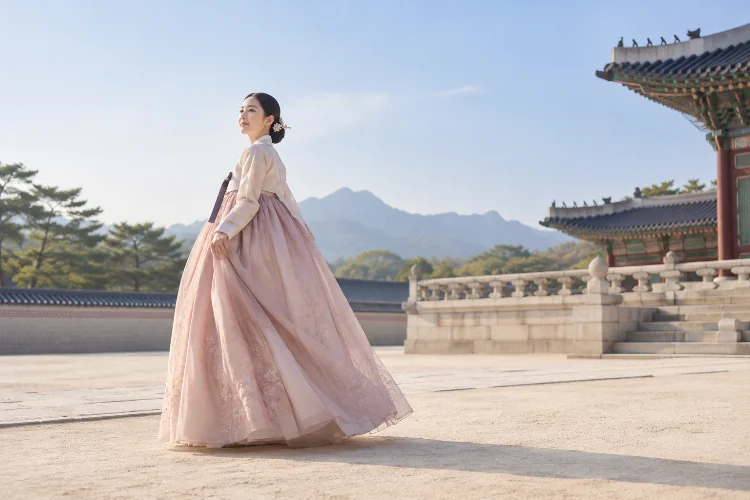
Traditional Korean hanbok is instantly recognizable for its flowing lines, generous volume, and unusual balance between a relatively fitted upper body and a much wider

Explore a collection of articles revealing traditional craftsmanship, cultural heritage, ancestral techniques, and timeless textile artistry.
More ContentTraditional weaving is the skilled process of interlacing threads using handlooms or other techniques, preserving cultural identities, regional patterns, inherited knowledge, and craftsmanship.
Matthew Sullivan
Traditional Korean hanbok is instantly recognizable for its flowing lines, generous volume, and unusual balance between a relatively fitted upper body and a much wider
Matthew Sullivan
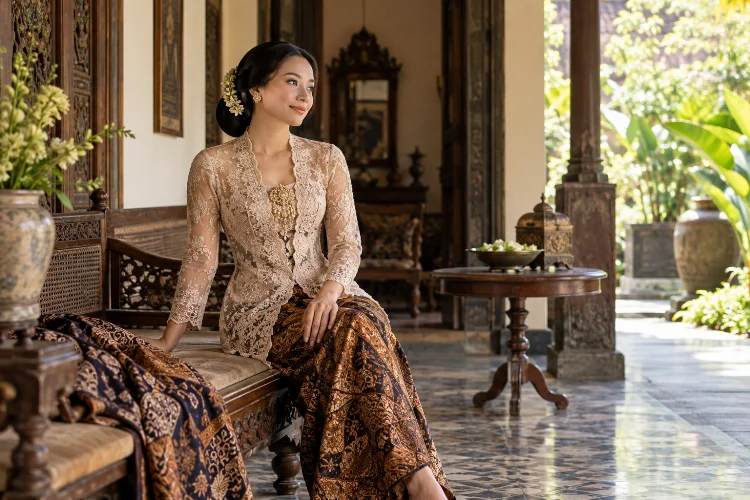
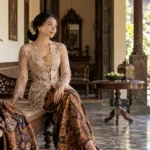
Few garments capture the balance between elegance, tradition, and everyday practicality quite like the kebaya. Its basic structure seems simple: a fitted or semi-fitted front-opening
Matthew Sullivan
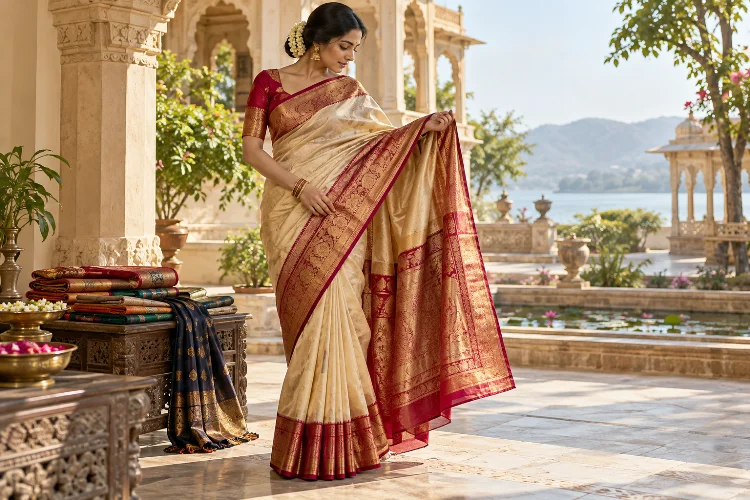
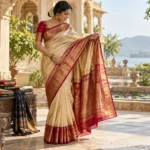
A saree may look simple: one long piece of cloth wrapped around the body. Yet across India, that same basic garment can create dramatically different
Matthew Sullivan
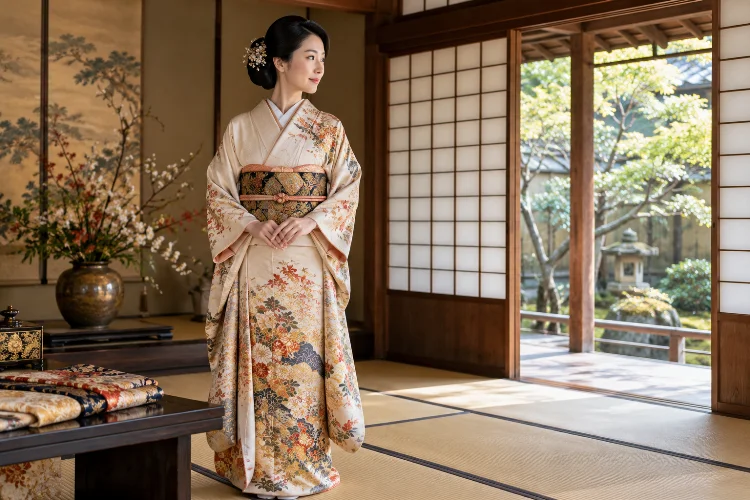
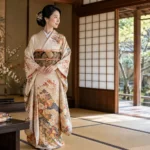
Few garments are as instantly recognizable as the Japanese kimono. Its straight silhouette, wide sleeves, wrapped front, and carefully arranged obi have become visual symbols
Matthew Sullivan
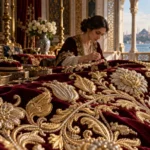
Gold embroidery has a way of making fabric look almost architectural. A line of metallic thread can catch the light like jewelry, while padded areas
Matthew Sullivan
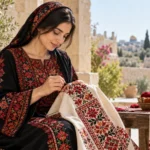
At first glance, Palestinian Tatreez can look like a collection of colorful geometric stitches decorating a dress. Look more closely, however, and those tiny crosses
Matthew Sullivan
Today, Sashiko often appears on social media as rows of neat white stitches forming beautiful geometric patterns on deep indigo fabric. It can look like
Matthew Sullivan
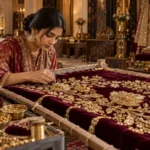
Few embroidery styles communicate luxury as immediately as Zardozi. Gold-colored coils shimmer against velvet, tiny beads catch the light, and raised floral motifs turn an
Matthew Sullivan
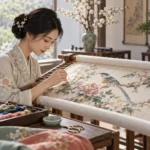
A piece of traditional Chinese embroidery can look almost like a painting until you move closer. What appears to be a bird’s feather, flower petal,
Matthew Sullivan
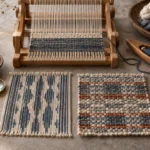
At first glance, a patterned textile may simply look like a collection of colors, stripes, geometric shapes, or decorative motifs. Look more closely, however, and